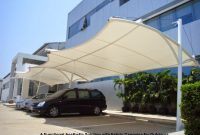
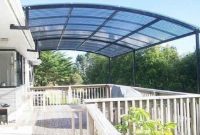
Membrane canopies are increasingly popular, becoming an additional roofing option with modern designs and various advantages. They provide solutions that are not only aesthetic but also functional.
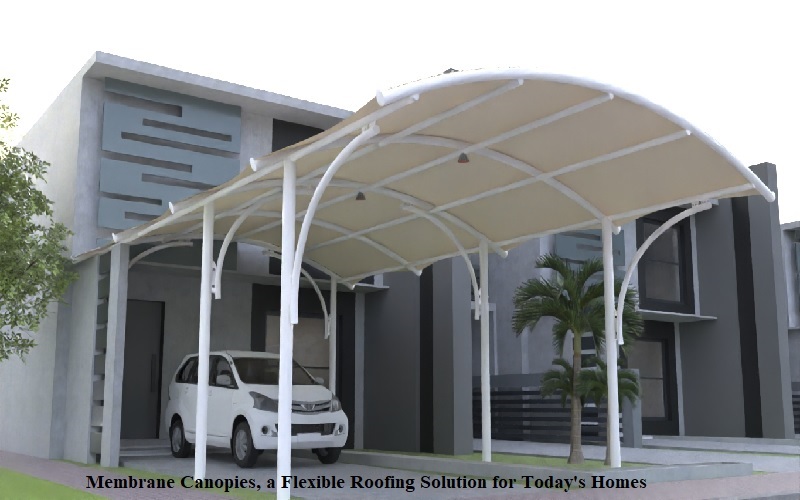
Canopies are a smart, modern choice for those seeking additional roof protection without sacrificing aesthetics. They offer various advantages, such as weather resistance, energy efficiency, and, most importantly, ease of maintenance. They are the ideal solution for various roofing needs.
Advantages of Membrane Canopies
Membrane canopies provide superior protection for roofing needs. They are the ideal solution for various types of buildings, both residential and commercial. Flexible installation is possible in small areas like homes or large areas like schools and hospitals. Easy installation and a modern touch are no surprise, as they offer several advantages, such as:
- High Artistic Value: Using flexible materials, they can be shaped according to the homeowner’s design and plan.
- Cooler Air: The membrane roof layer absorbs direct sunlight. This canopy’s excellent breathability allows the area under roof tiles, galvalum, or other materials to remain cooler and protected from UV rays.
- Durable: The membrane’s average lifespan is up to 15 years, but this depends on maintenance techniques.
- Shock Resistant: Made of high-quality, flexible materials and supported by lightweight and sturdy frame supports, the membrane roof remains strong even during earthquakes.
- Moisture-Resistant: The membrane roof’s underlay allows sunlight to penetrate the canopy’s covered area. This helps reduce moisture under the canopy, preventing mold and damage caused by excess moisture.
- Flexible Use: Can be used for various purposes, such as parking roofs, outdoor seating areas, play areas, and more. It can be used as a temporary or permanent structure, depending on individual needs.
Membrane Roof Underlay Types
When new to membrane canopies roofs, it can be difficult to choose the best type for your residential roofing needs. As an additional reference, here are recommendations for canopy types that can enhance the exterior appearance of a home.
1. Synthetic Rubber Membrane
The first type of membrane roofing underlayment is made from a synthetic material called ethylene propylene diene monomer rubber (EPDM). The main structure of the material is polyester mesh.
It has several advantages, including a relatively low price, long-term use, and high elasticity. It is generally sold in sheets and can be joined with special adhesives.
2. PVC Membrane
PVC is a type of roof canopy used as a tensile structure. It is generally used in certain locations, especially outdoor areas. The tensile structure of this roof is very strong, making it suitable as a roof covering.
Installation can be done using welding. It’s important to note that the canopy’s volatile organic compound content is quite high, making it more environmentally friendly.
3. PTFE Membrane
Polytetrafluoroethylene, or PTFE, is a membrane canopies with fiberglass mesh. This roof can withstand extreme weather and is strong for long-term use. In fact, many large-scale buildings and semi-outdoor areas already use this roof as their roof covering material.
According to the Una Tubes YouTube channel, regarding membrane roofs, installing membranes for terraces is a great option, especially for large urban homes. They can block sunlight, preventing direct sunlight from entering. During heavy rain, galvanized zinc roofs typically produce noise due to dripping water. However, membrane canopies can be different, as they can dampen the sound, preventing disturbance to occupants.
4. Thermoplastic Olefin Membrane
PO membranes have polyester and fiberglass mesh. This type is strong and durable, and can be installed using welding techniques.
Unfortunately, this type of roofing has less elasticity than PVC or EPDM.
Membrane vs Fabric Roofing, Which Canopy is Most Commonly Used?
PVC or PTFE membrane roofing is now more commonly used and popular than fabric roofing. It offers aesthetic and futuristic designs, allows for greater flexibility in shape (curved), resistance to extreme weather, and a long lifespan of 15 to 20 years. It provides UV protection and is a long-term solution due to its strength, light weight, and effective heat reflection. Although installation and maintenance costs are higher upfront, the benefits are certainly worth it in the long run.
Fabric roofing, on the other hand, is more often used as a temporary roofing solution. It is more affordable than membrane roofing and installation is much quicker. Fabric canopies are often chosen for their modern and futuristic appearance.
Here’s an explanation of the advantages and types of membrane roofing. Before deciding, it’s best to consider your needs and avoid rushing into choosing the right membrane canopies for your home’s roof covering. /sofia